The Future of Michigan’s Circular Economy is in Muskegon.

BLU Muskegon is a 90-acre eco-industrial campus designed to support aquaculture, food processing, and food-waste reclamation.

90 Acres Zoned for Industrial Development

Phase 1 includes four shovel-ready parcels available Summer 2026, anchored by the BLU Muskegon Food Reclamation Center.

Strategic Infrastructure Access

Groundwater, canal access, regional wastewater treatment systems, high-capacity natural gas and electricity.

15 Miles to Deep Water Port

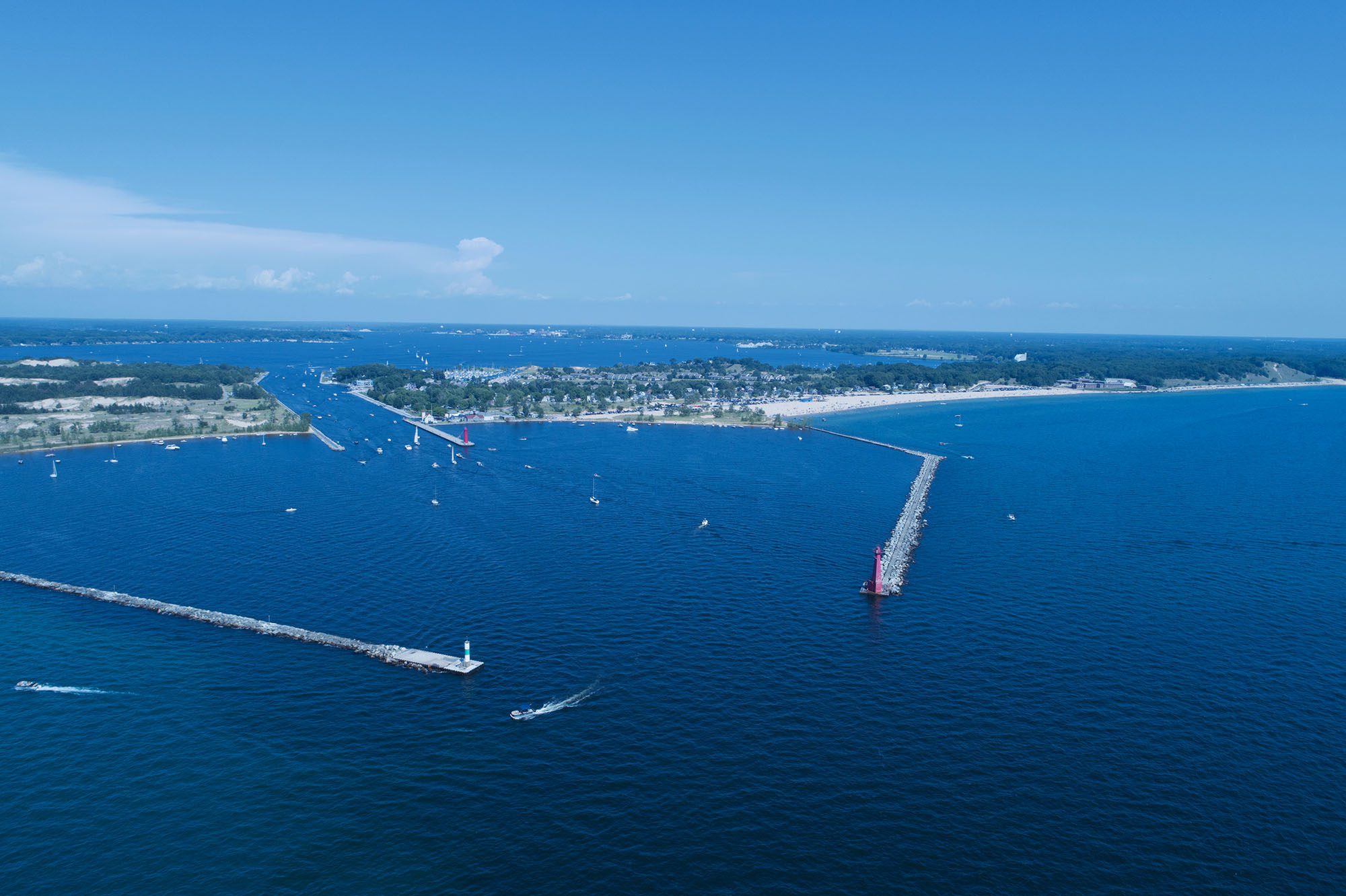
Located near major highways, Muskegon County Airport, and one of the deepest ports on Lake Michigan.

What is BLU Muskegon?

BLU Muskegon is a 90-acre eco-industrial campus built on the principle that food production and waste are part of the same cycle. The site is planned to support industries such as aquaculture, food processing, and food-waste recycling, all located on one campus and connected through shared infrastructure.

The project builds on Muskegon County’s existing water and wastewater systems, creating opportunities for new food production, resource recovery, and related industries.

Why Muskegon?

Muskegon County is situated in the center of West Michigan’s food processing corridor and has a unique combination of water resources and infrastructure that can’t be found in other regions.

These systems have supported agriculture, manufacturing, and food processing in the region for decades. BLU Muskegon builds on that foundation by organizing a campus to support current businesses and attract new companies to our region.

The site also benefits from strong transportation access, including nearby highways, the Port of Muskegon, and Muskegon County Airport.

How the System Works

Supporting a Circular Food and Energy Economy

Food Production

Agriculture Reuse

Food Waste Disposal

Food & Consumer Products

Energy Generation

Aquafarming

BLU Muskegon is designed around the idea that food production, processing, and energy systems can work together.

Industries located on the site could produce food, process food products, or recover value from food waste. By locating these activities in one place, resources that would normally be discarded can be reused within the system.

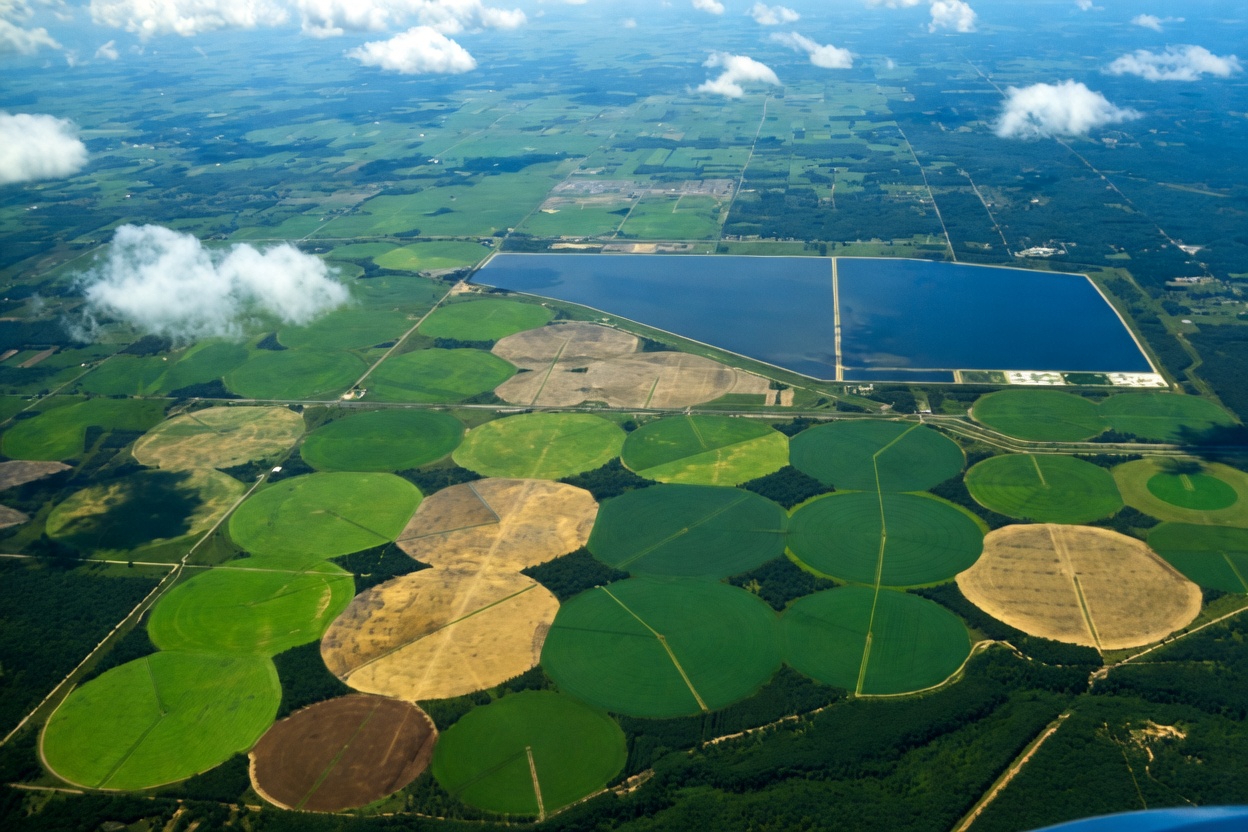
A key part of this approach is the nearby Muskegon County Resource Recovery Center, which operates one of the largest land-applied wastewater treatment systems in the country. This infrastructure makes it possible to manage large volumes of water while supporting responsible resource recover.

Together, these systems create opportunities for food production, energy generation, and agriculture reuse to operate within a connected circle.


Questions About BLU Muskegon?

If you have questions about the project or would like to learn more, our team would be glad to hear from you.